How a Patio Built for the Front Range Holds Up to Everything Colorado Throws at It in Golden, CO
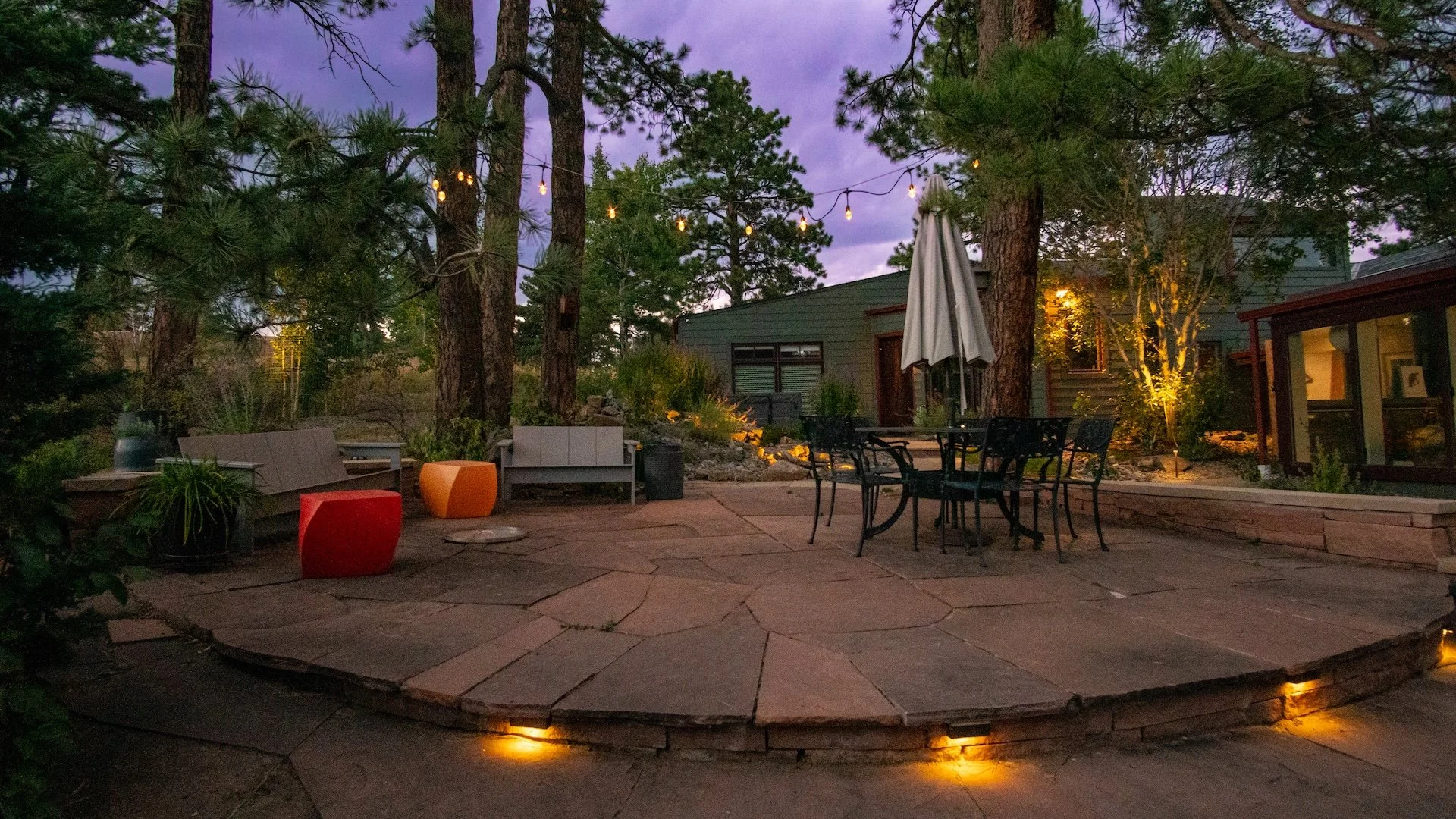
A patio in Colorado has to handle conditions that most regions never see. Hail in the spring. Direct UV at altitude that fades and degrades surfaces faster than at sea level. Temperature swings of 40 degrees between morning and afternoon. Freeze-thaw cycles that test every joint and every base layer. And the expansive clay soils that move with every change in moisture.
The patio that holds up to all of it is not the result of a generic install. It is the result of a build that was designed for the climate, the soil, and the way the homeowner actually wants to use the space. The materials, the base depth, the drainage, and the layout all need to account for the conditions on the Front Range, not the conditions in a region with milder weather and more forgiving ground.
Related: 5 Stunning Custom Patio Designs to Elevate Your Home's Aesthetic in Evergreen and Golden, CO
What the Build Has to Account For
A patio in the Denver metro is exposed to environmental stress that surfaces in milder climates never face. The construction has to be specified accordingly.
The factors that shape the build include:
Base depth and compaction calibrated for the expansive clay soils across the Front Range, which swell when wet and shrink when dry, transferring movement to anything built on top of them
Frost line considerations that determine the depth of any footings, edge restraints, or vertical structures associated with the patio
Drainage that moves water off the surface at a defined slope and away from the house, with consideration for snowmelt that can saturate the ground for weeks during spring transition
Material selection that accounts for UV exposure at elevation, surface temperature in direct summer sun, and the freeze-thaw resilience required to prevent cracking, spalling, or joint failure
Edge restraint and joint detailing that lock the system together against the lateral movement that freeze-thaw cycling produces over multiple seasons
A patio built without addressing these factors looks fine on installation day and develops problems within the first or second winter. A patio built with them in mind performs through every season and continues to look the way it did when it was finished.
Related: How Pool Contractors Create the Perfect Patio to Complement Your Golden, CO Pool
How the Patio Should Function in the Outdoor Space
The patio is not just a surface. It is the floor of the outdoor living space, and the way it connects to everything around it determines how often the space gets used.
The patio should be sized for the way the family actually entertains, with defined zones for dining, lounging, cooking, and circulation. It should connect cleanly to the house through a doorway or a step down. It should transition naturally to the lawn, the planting beds, or the lower hardscape. And the surrounding elements, the fire feature, the outdoor kitchen, the pergola, the lighting, should be planned alongside the patio rather than added later.
The Surface That Earns Its Place
A patio in the Front Range is a real investment. The materials cost money, the labor takes time, and the build sits exposed to one of the hardest climates in the country for everything outdoors. The patios that perform are the ones built with the climate in mind from the first conversation.
If you are planning a patio for your property in Golden, Boulder, Arvada, or the surrounding communities, the conversation starts with the conditions on the site. Material and design decisions follow from there.
Related: Designing a Patio and Pergola Arvada, CO Families Use for Dining, Lounging, and Entertaining